Unmanned Aerial Vehicles in Operation: Transforming the Surveying and Mapping Landscape


Lately, unmanned aerial vehicle technology has revolutionized numerous sectors, and geospatial surveying is no exception. As tasks become increasingly complicated and challenging, the old-fashioned methods of data gathering are frequently insufficient in effectiveness and precision. Introducing drone surveys, a cutting-edge approach that is transforming the field of infrastructure development, site development, agriculture, and other areas. With the power to collect data swiftly and accurately from remote areas, drones have rapidly evolved into vital tools for experts looking to streamline operations and enhance project outcomes.
From terrain mapping to infrastructure inspections, the adaptability of drone surveys is impressive. They not only deliver a less risky alternative for workers, especially in risk-laden environments, but also offer a budget-friendly means of gathering top-notch data. As we delve into the myriad ways drones are transforming the land surveying industry, we will explore why you ought to think about drone surveys for your next project, highlighting their superiority over old methods, the advancements behind them, and the future innovations on the near future.
Benefits of UAV Surveys
Drone surveys offer significant advantages over conventional surveying methods, primarily in terms of productivity and cost-effectiveness. By employing drones, project teams can survey vast areas in a tiny portion of the time it would take legacy surveyors. This speedy data collection minimizes project timelines, allowing stakeholders to make decisions faster and move ahead with their projects without delays. Moreover, the lessening in labor and equipment needed further cuts costs, making drone surveys an attractive option for various sectors.
Another key benefit of drone surveys is their ability to gather high-resolution data with exceptional accuracy. Modern drones are equipped with cutting-edge sensors and imaging technology, which allows for precise measurements and detailed mapping. This capability enhances the quality of the data collected, leading to enhanced project planning and execution. Drones can capture aerial imagery and create topographical maps that are crucial for successful land development and construction planning, ensuring that stakeholders have trustworthy information at their command.
Protection is also a crucial consideration when using drone surveys, especially in dangerous environments. Drones can access locations that may be dangerous for human surveyors, such as hazardous terrain or aerial structures. By minimizing human exposure to threat while still obtaining crucial data, UAV surveys promote more secure working conditions. This is particularly important in industries such as building, extraction, and infrastructure inspection where security is of utmost importance.
UAV Inspections in Various Industries
Drone surveys are increasingly becoming crucial across multiple industries, transforming how data is collected and analyzed. In the construction sector, for example, drones enable project managers to track advancements in real-time, offering aerial views that enhance supervision and collaboration. This innovation aids in effective site management, reduction of labor costs, and enhanced safety measures by allowing distant inspections of potentially hazardous locations.
In agriculture, drone surveys are transforming farming practices by offering detailed information into crop health, soil conditions, and water usage. Agriculturalists employ UAV technology for precision agriculture, using aerial photos and data analysis to optimize planting, track crop growth, and oversee resources effectively. This results in improved yield predictions and lowered input costs, making agriculture more eco-friendly and profitable.
The public service and infrastructure industries also gain significantly from UAV inspections, which enable evaluations and maintenance of infrastructure such as electricity networks, pipelines, and highways. UAVs can quickly gather data on inaccessible locations, detect issues, and assess environmental impacts. This capability not only promotes security and productivity but also aids in regulatory compliance and planning for upcoming developments, showcasing the versatile applications of UAV solutions across various industries.
Future Trends in Drone Survey Technology
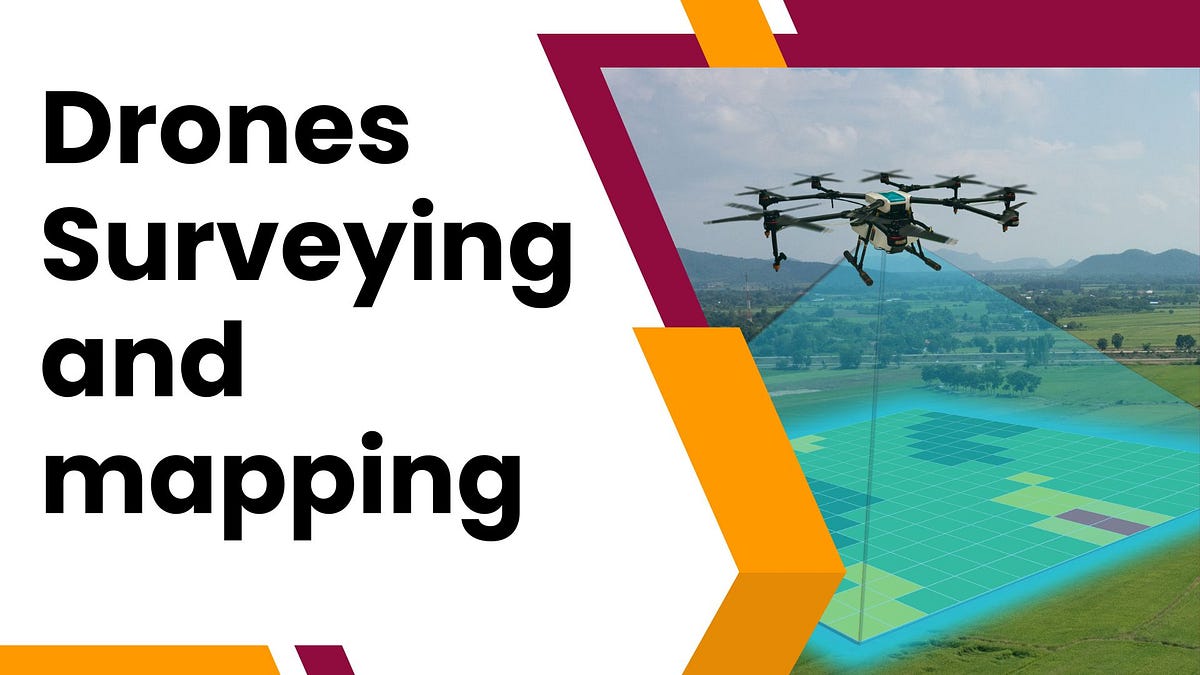
A prospective of UAV survey technology is set to experience significant advancements, driven by innovations in equipment and software. As drones growing equipped with advanced sensors, such as LiDAR and hyperspectral cameras, their ability to capture extremely detailed and accurate data will improve decision-making across multiple industries. Such developments will allow for specialized surveys, such as flood risk assessments and environmental monitoring, allowing professionals to analyze complex geospatial data more effectively.
Artificial intelligence and machine learning are expected to play a crucial role in transforming drone surveys. By integrating AI algorithms, drones can streamline data processing and analysis, detecting patterns and anomalies in real-time. Such innovations will enable quicker reporting times and allow for actionable insights, enhancing project planning and execution. Furthermore, with the growing sophistication of drones become more intelligent, they will seek increased autonomy, minimizing the need for constant operator supervision and allowing for expanded coverage of survey areas.
Legislative frameworks will also evolve to accommodate the rapid growth of drone survey applications. With governments recognize the numerous benefits of drone technology, we can expect streamlined regulations that promote safe and efficient use. Setting out engineering will open up new possibilities for drone surveying in sectors like construction, mining, and agriculture, making it a essential tool for the upcoming of land development and infrastructure management.