Unmanned Aerial Vehicles in Operation: Transforming the Surveying and Mapping Landscape


Lately, drone technology has changed a variety of sectors, and surveying is no different. As projects become more and more complex and demanding, the conventional methods of surveying are frequently insufficient in effectiveness and accuracy. Behold drone-based surveys, a cutting-edge approach that is transforming the landscape of building, site development, agriculture, and more. With Check out this site to gather information swiftly and effectively from remote areas, drones have rapidly evolved into crucial tools for experts looking to improve operations and enhance project outcomes.
From geophysical mapping to structural inspections, the flexibility of drone surveys is astonishing. They not just deliver a safer alternative for staff, especially in dangerous environments, but also provide a budget-friendly means of gathering top-notch data. As we explore the myriad ways drones are redefining the geospatial industry, we will explore why you should consider drone surveys for your forthcoming project, discussing their benefits over conventional methods, the innovation behind them, and the future developments on the near future.
Benefits of Drone Surveys
UAV surveys offer significant advantages over conventional surveying methods, primarily in terms of efficiency and cost-effectiveness. By utilizing drones, project teams can survey vast areas in a small part of the time it would take traditional surveyors. This rapid data collection minimizes project timelines, allowing stakeholders to make decisions sooner and move ahead with their projects expeditiously. Moreover, the lessening in labor and equipment needed increases savings on costs, making drone surveys an attractive option for different sectors.
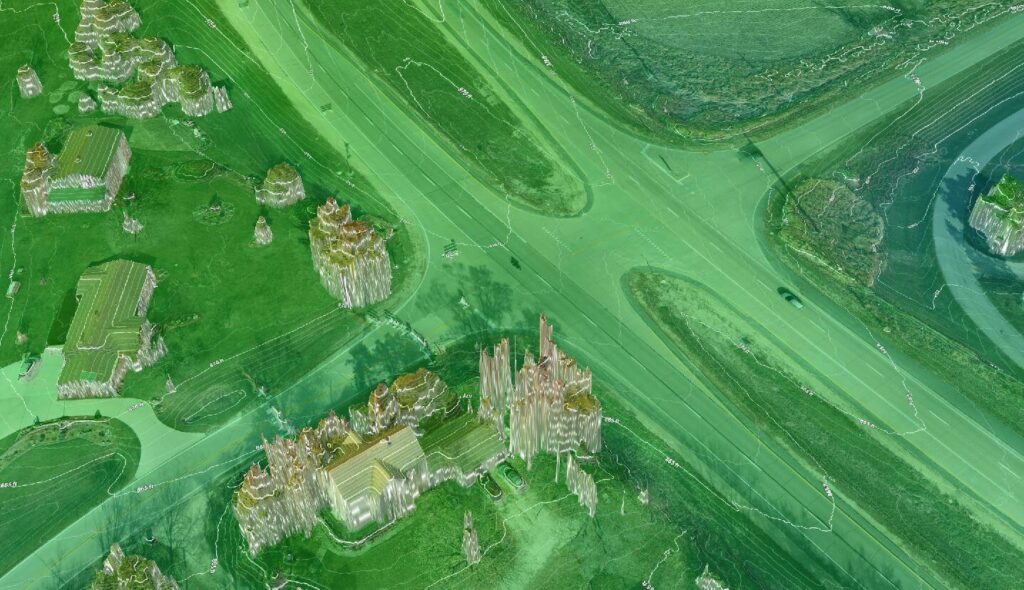
Another key benefit of unmanned aerial vehicle surveys is their ability to gather high-resolution data with remarkable accuracy. Modern drones are equipped with cutting-edge sensors and imaging technology, which allows for accurate measurements and detailed mapping. This capability enhances the quality of the data collected, leading to better project planning and execution. Drones can capture aerial imagery and create contour maps that are vital for successful land development and construction planning, ensuring that stakeholders have dependable information at their disposal.
Security is also a significant consideration when using unmanned aerial vehicle surveys, especially in risky environments. Drones can access locations that may be unsafe for human surveyors, such as hazardous terrain or above structures. By minimizing human exposure to threat while still obtaining crucial data, UAV surveys promote safer working conditions. This is particularly important in industries such as infrastructure, mining, and asset inspection where safety is paramount.
Drone Inspections in Multiple Sectors
Drone surveys are increasingly becoming essential across various industries, revolutionizing how information is gathered and processed. In the building industry, for example, UAVs enable managers to monitor advancements in real time, providing aerial views that enhance supervision and coordination. This technology aids in efficient site planning, minimization of workforce expenses, and improved safety measures by allowing distant inspections of potentially hazardous locations.
In farming, drone inspections are transforming agricultural practices by providing detailed insights into plant health, soil health, and water usage. Agriculturalists utilize drone solutions for precision farming, using aerial photos and data analysis to optimize sowing, track crop growth, and manage resources efficiently. This results in better yield predictions and lowered expenses, making farming more eco-friendly and lucrative.
The utility and infrastructure sectors also gain greatly from UAV inspections, which enable inspections and maintenance of assets such as power lines, pipelines, and roads. Drones can quickly collect data on inaccessible sites, identify faults, and evaluate ecological effects. This functionality not only promotes security and productivity but also assists in regulatory compliance and preparing for upcoming projects, showcasing the versatile applications of drone technology across various sectors.
Future Trends in Drone Survey Technology
The prospective of UAV survey technology is set to experience significant advancements, driven by innovations in hardware and programming. With drones growing equipped with enhanced sensors, including LiDAR and multi-spectral cameras, their ability to gather highly detailed and accurate data will enhance decision-making across multiple industries. Such developments will facilitate specialized surveys, including flood risk assessments and environmental monitoring, allowing professionals to analyze complex geospatial data in a more effective manner.
Artificial intelligence and machine learning are expected to play a crucial role in revolutionizing drone surveys. With the integration of AI algorithms, drones can automate data processing and analysis, detecting patterns and anomalies in real-time. This technology will facilitate quicker reporting times and provide actionable insights, improving project planning and execution. Furthermore, as drones become more intelligent, they will seek increased autonomy, minimizing the need for continuous operator supervision and allowing for greater reach across survey areas.
Regulatory frameworks will also adapt to accommodate the rapid growth of drone survey applications. With governments recognize the numerous benefits of drone technology, we can expect simplified regulations that promote safe and efficient use. Such changes will open up new opportunities for drone surveying in sectors such as construction, mining, and agriculture, making it a critical tool for the upcoming of land development and infrastructure management.