Unclogging Master: Secrets to Unclogging Like a Professional


Clogged pipes can be a homeowner's biggest problem, resulting in chaotic overflows and high repairs. Whether it's the case of the kitchen sink refusing to drain after dinner prep or a shower taking a long time to drain, these irritating situations can disrupt daily life. Knowing the common reasons of blocked drains and how to avoid them is essential for maintaining your plumbing running smoothly.
In this guide will explore different elements of drain unclogging, from DIY fixes to professional services, to make sure that you are equipped with the knowledge to tackle clogs efficiently. We will examine the top clues your drain might be on the edge of a blockage, efficient methods for unclogging kitchen sink and bathroom drains without harm, and the most effective natural remedies that save you from harsh chemicals. Our objective is to help you take care of your drains, avoid future issues, and recognize when it's time to call in the professionals. Therefore, let's uncover the tricks of the drain whisperer and get your plumbing fixed.
Identifying Blockages: Signs and Reasons
Identifying the early symptoms of a blocked drain can protect you from more extensive plumbing issues down the line. One of the clearest indicators is slow drainage. If your water is not draining well down the basin, bathtub, or lavatory, it’s a clear indicator that something is obstructing the pipes. Gurgling noises when water flows or bubbling in your sink is another red flag. These sounds often indicate that air is trapped in the pipes due to a clog.
Several frequent causes contribute to clogged drains. Food particles, grease, hair, and soap scum are frequent culprits, particularly in kitchen and bathroom sinks. Over time, these materials accumulate and create persistent blockages. Tree roots can also pose a serious threat, as they can invade sewer lines, leading to severe clogs that necessitate professional attention. Identifying the source of the clog can be crucial in selecting the correct solutions or remedies.
Preventing these clogs often involves basic maintenance routines. Consistently cleaning your drains and installing drain screens can keep debris at bay, significantly minimizing the chance of a blockage. It’s also essential to be mindful of what goes down the drain, particularly in kitchens where grease waste should be kept low. By recognizing the signs and reasons of clogs, you can take proactive steps to maintain your drainage systems and avoid the mess and expense of emergency repairs.
Do-It-Yourself vs. Professional Solutions
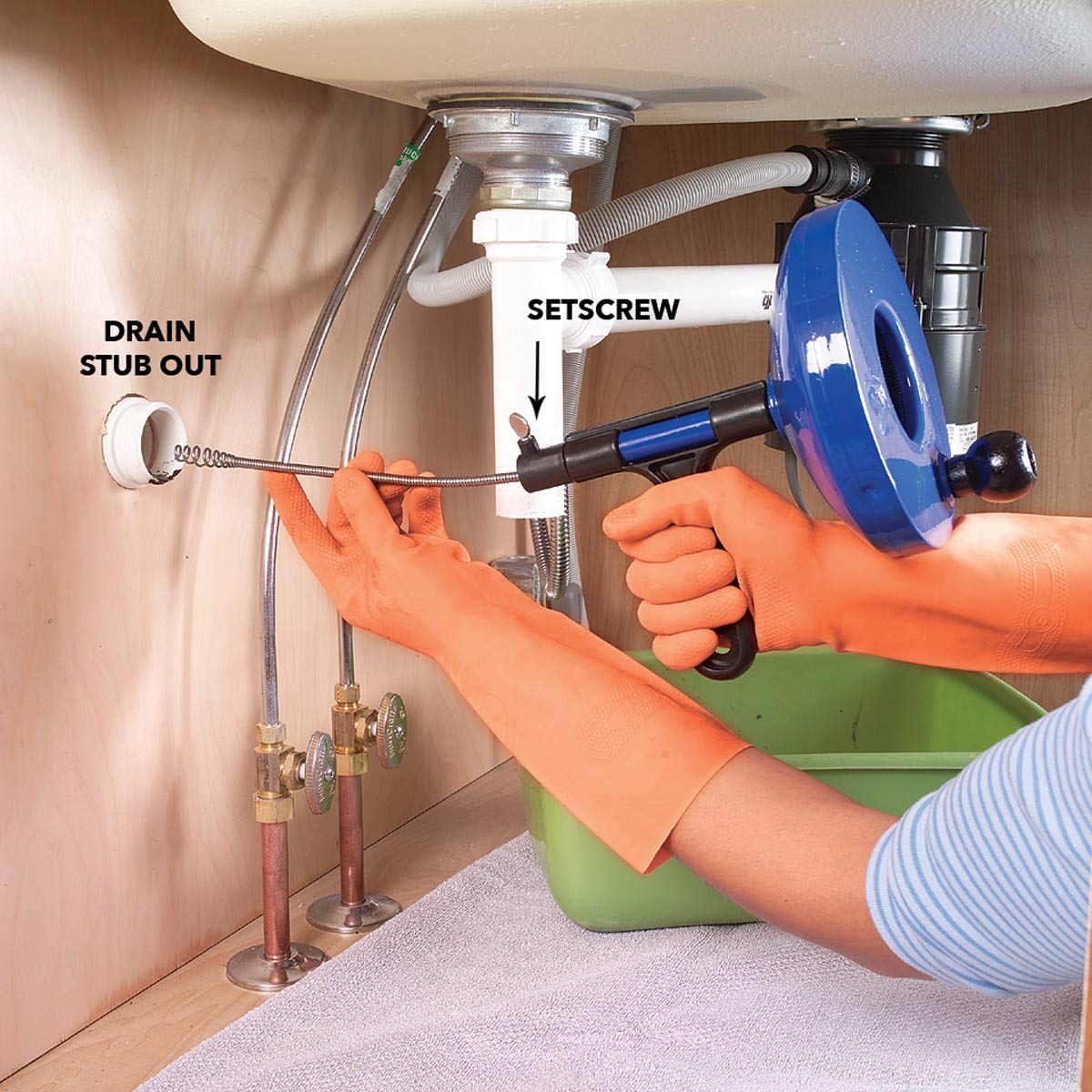
When it comes to unclogging drains, homeowners often find themselves considering between DIY approaches and hiring a professional. DIY solutions can be cost-effective and convenient, offering immediate solutions that many people can use using tools already found around the house. From using a sink plunger or a drain snake to natural remedies like baking soda and vinegar, these strategies can work effectively for minor clogs. However, recognizing the right approach is essential, as some clogs may require more specialized techniques.
On the other hand, professional help can provide a comprehensive solution, especially for stubborn blockages or recurring issues. Plumbers are equipped with advanced tools such as hydro jetters and drain cameras, enabling them to address problems efficiently and safely. They can also identify underlying issues that may not be instantly apparent to the average homeowner. While the cost is higher, professional services can save time and potentially prevent further damage to your pipes.
Ultimately, the decision between DIY and professional assistance should be based on the severity of the clog and your comfort level with do-it-yourself plumbing. For simple clogs, a DIY approach may suffice, but if you encounter persistent issues or complex obstructions, engaging a professional is often the best course of action. Understanding when to seek help can save you both time and money in the long run.
Care Advice for Clear Drainage
Regular maintenance is essential for preventing clogs and making sure your drains operate effectively. website by implementing a weekly schedule of cleaning your drains with boiling water. This aids to break down fat and soap build-up, which are usual culprits behind clogs. Additionally, try using a combination of sodium bicarbonate and vinegar every month to assist in eliminating any lingering gunk and ensure your pipes clear.
To prevent hair from accumulating in shower drains, invest in drain covers or strainers. These basic tools catch hair and other debris before they enter the plumbing system. It's also necessary to consistently clean these screens to guarantee optimal effectiveness. In the kitchen, do not disposing of grease or oil into the sink, as they solidify and create persistent blockages.
Finally, create a yearly maintenance checklist to ensure your drains in top shape. This should include activities like cleaning out outdoor drainage systems, examining outdoor drains for debris, and looking for any signs of tree root intrusion. By being proactive with these cleaning suggestions, you can avoid costly drainage issues and maintain a clear drain system throughout the year.