Turning Blueprints to Concrete Outcomes: The Importance of Professional Surveying


As you starting on any property and building project, the value of expert surveying is vital. Reliable surveys serve as the cornerstone upon which prosperous projects are constructed, guaranteeing that plans remain rooted in fact and that property boundaries are accurately marked. Professional surveyors provide expertise and detail to the table, offering essential insights that affect everything from property development to negotiating disagreements. Understanding the role and benefits of surveying services is important for homeowners, land developers, and construction professionals alike.
This article, we will examine the various reasons for employing a professional surveyor and look into the different kinds of land surveys. From understanding how property line surveys can prevent disputes to realizing the significance of elevation surveys, we will explore what to anticipate during a land survey and how technological advancements, such as Global Positioning System and UAVs, are transforming the industry. Ultimately, you will see how surveying services not just safeguard property rights but also facilitate for prosperous construction and development projects.
Key Benefits of Engaging Professional Surveyors
Professional surveyors provide a significant amount of experience and skill to land surveying, making sure that the findings are correct and reliable. Their comprehensive understanding of regional regulations, property law, and professional skills enables them to navigate complex surveying tasks with simplicity. This knowledge minimizes the risk of errors which can lead to significant delays and disputes, eventually providing confidence to property owners and developers alike.
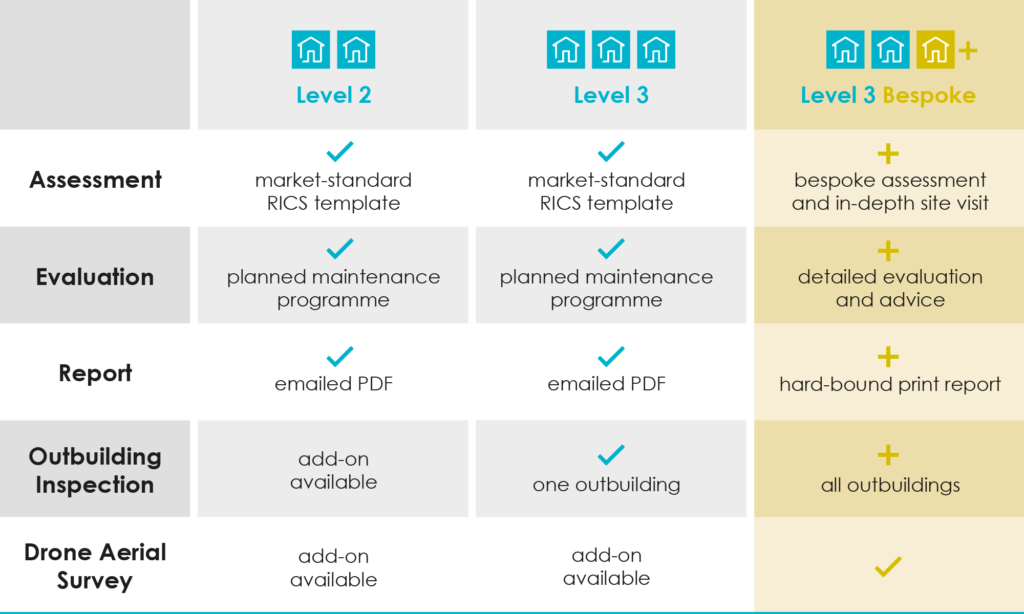
One key advantage of engaging professional surveyors is their capacity to prevent potential legal issues. level 3 surveys can identify exact property lines, which is crucial for preventing disputes with neighbors or ensuring that property developments conform with zoning laws. By obtaining accurate surveys, property owners can prevent costly legal battles that may develop from boundary misunderstandings, saving both time and money in the long run.
Finally, expert surveyors employ cutting-edge technology, such as GPS and drone technology, to enhance the accuracy and productivity of their work. This digital integration permits for more comprehensive data collection and analysis, resulting in well-informed decisions regarding land use, development, and conservation. By employing these modern tools, surveyors can provide their clients with concise, visual depictions of their properties, enabling them to make educated choices.
Types of Evaluations and The Significance
There are several types of surveys that serve a critical role in land management and development. Boundary assessments are designed to define the precise lines of property title, which can prevent disputes between neighbors and define property rights. These surveys are essential for property owners, real estate transactions, and all development initiatives, as they provide binding documentation of property boundaries. Similarly, topographic surveys map the contours of the land, revealing elevations and depressions, which are essential for designing drainage systems, roads, and building placements.
Another significant type of survey is the ALTA/NSPS survey, which is customized for commercial properties and required by lenders and title companies. This type of evaluation provides detailed information regarding property boundaries, easements, and potential encroachments, ensuring that all aspects of the property are thoroughly evaluated before a transaction. These evaluations are recognized nationally and help support real estate development and investment by reducing risks associated with property ownership.
Construction staking services are also important, as they convert survey data into physical markings on the ground that guide builders in the construction process. This includes setting precise locations for structures based on the approved plans and ensuring compliance with zoning regulations. By utilizing various surveying methods, including modern technologies like GPS and drones, surveyors deliver invaluable information that facilitates smooth project execution and minimizes costly delays, contributing to the overall success of infrastructure and development projects.
Technology and Innovation in Surveys
Advancements in technological developments have transformed the domain of surveying, making it increasingly efficient and accurate than ever before. The combination of Global Positioning System allows surveyors to obtain exact location information rapidly, which is crucial for various applications such as boundary determination and construction staking. This technology reduces the time utilized in the outdoor setting and boosts the accuracy of calculations, diminishing the potential for mistakes that can occur with traditional surveying methods.
UAVs have also become an essential tool in the survey field, offering bird’s-eye views and information gathering with remarkable efficiency. This innovation allows for the surveying of large areas in a limited amount of the duration it would take using traditional on-ground methods. Drones equipped with high-resolution cameras and laser sensors can collect comprehensive land data, which is particularly beneficial for land surveys and environmental surveys. The ability to gather large amounts of data from inaccessible areas further enhances the competencies of certified surveyors.
Moreover, advances in software in Geographic Information Systems and 3D modeling have improved the depiction and examination of data from surveys. These tools enable surveyors to create detailed maps and models that aid in urban planning, land development, and infrastructure projects. The combination of these technologies not only improves the correctness and productivity of surveying tasks but also delivers clients with comprehensive insights and enhanced choices regarding their projects.