Traversing the Terrain: A Full Day in the Routine of a Geospatial Professional


In the realm of property and building, the function of a land surveyor is often overlooked but is absolutely crucial. These skilled professionals serve as the backbone of real estate transactions, making sure that boundaries are distinctly defined, regulatory standards are met, and that developments are carefully organized. Whether you're a property owner, a potential buyer, or someone involved in a building project, understanding what land surveyors do can save you from expensive conflicts and mistakes down the road.
As you navigate the complicated landscape of real estate ownership, understanding when and why to hire a surveyor is important. Land surveys play a pivotal role in defining land boundaries, finding out zoning limitations, and aiding in the effective implementation of building projects. From boundary assessments that avoid real estate conflicts to contemporary techniques like GPS and aerial surveys that improve precision, the landscape of surveying is constantly changing. This manual will lead you through the various aspects of land surveying, making sure you are knowledgeable and prepared for any real estate-related endeavor.
Understanding the Importance of a Land Surveyor
Surveyors play a critical part in the field of land administration and real estate development. Their principal duty is to assess and layout land, providing exact illustrations of land boundaries, shapes, and features. This comprehensive information is necessary for a range of stakeholders, including property owners, builders, architects, and construction engineers, as it influences decisions related to land utilization, building, and regulatory adherence. By employing a combination of conventional surveying methods and contemporary technology, they ensure that all calculations are precise, which is important for avoiding disputes and ensuring that projects meet legal standards.
One of the key domains where surveyors contribute significantly is in determining and setting land boundaries. Property line surveys not only determine the limits of a property but also help prevent potential issues with adjacent landowners. These surveys are especially important when a property is being bought, transferred, or changed, as they provide the necessary documentation to support legal claims and smooth property transactions. Moreover, by distinctly defining boundaries, surveyors help landowners understand their rights and responsibilities, ultimately promoting harmonious relationships within communities.
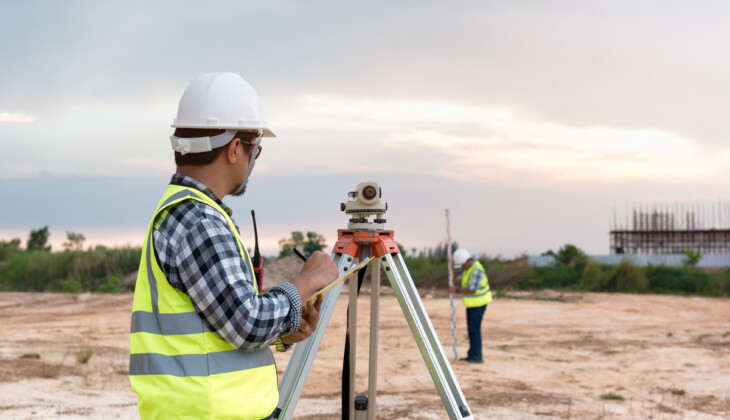
In addition to this to boundary definition, surveyors are integral to construction projects. They assist in preventing costly mistakes by ensuring that building plans adhere to established designs and legal obligations. From Learn more to the conclusion of a building task, they provide invaluable guidance that lead designers and constructors in their work. As technology advances, they are more and more utilizing tools such as global positioning systems and unmanned aerial vehicles, enhancing their capacity to acquire data accurately and efficiently. This integration of technology not only improves the surveying but also opens up new avenues for innovation within the sector.
Types and Importance of Land Surveys
Land surveys exist in different forms, all serving a particular purpose and concentrating on various features of a piece of land. Boundary surveys are essential for determining the precise perimeters of a landhold, ensuring landowners have a unambiguous comprehension of their property boundaries and can avoid disputes with neighbors. Topographic surveys, on the contrary, chart the altitudes and contours of the land, which is crucial for designing infrastructure development and land architecture. Further forms include ALTA/NSPS surveys for commercial properties, which supply detailed details needed for property transactions, and construction surveys that help identify exact locations for erecting edifices accurately.
The value of property surveys cannot be overemphasized, especially for property owners and contractors. A thorough survey ensures that any future development adheres with regional zoning regulations and rules, lowering the chances of disputes and project postponements. By hiring a professional mapping expert, property owners can verify the correctness of boundary lines, detect any trespasses, and determine the land's suitability for their proposed purpose. This degree of care helps in making educated decisions regarding property investments and building plans.
Furthermore, property surveys contribute significantly to the general well-being of the property market. Precise surveying practices foster confidence among investors and sellers, fostering trust in real estate dealings. By recording property features and limits, property surveys play a critical role in conflict resolution and define title claims. As technology evolves, the value of using advanced mapping technologies, such as GPS and drone-based surveying, cannot be neglected, as these advancements improve the productivity, correctness, and cost-effectiveness of property surveys.
Working with an Professional Surveyor
Selecting the right surveyor is essential for guaranteeing that your land or building project kicks off on the right foot. When considering bringing on a skilled surveyor, start by researching their certifications, expertise, and domains. Seek for suggestions from peers or contacts and check internet reviews to measure satisfaction scores. Additionally, make sure the surveyor is certified and fully covered; this will offer you confidence knowing that they follow regulatory guidelines and laws.
When you have picked a surveyor, it’s essential to articulate your project needs succinctly. Share them with all necessary details, such as boundaries of the land, existing surveys, and specific goals for the survey. This will help them customize their services to your requirements and prevent misunderstandings. During the preliminary discussions, inquire questions about their methodology, the equipment they use, and any foreseeable challenges they foresee with your project. This collaborative approach will build a strong foundation for your collaborative relationship.
Once the survey is done, review the conclusive report meticulously, and don't be shy to ask clarification on any points you deem unclear. Comprehending the survey results is essential, especially when it comes to possible property conflicts or future development plans. A good surveyor will be more than willing to elucidate the findings and support you in interpreting them to your particular situation. This partnership can eventually save you time, resources, and legal troubles in the long run.