The Reason Vacuum Excavation is Transforming Utility Locating in Utility Locating


In today’s rapid building sector, the requirement for effective and safe digging approaches has never been greater. Vacuum method is rapidly becoming popular among construction firms and service providers, changing how tasks are scheduled and executed. This groundbreaking technique not only enhances task efficiency but also substantially enhances to safety and eco-friendliness. With its minimally invasive capabilities, vacuum excavation presents a game-changing approach for locating subsurface utilities with accuracy and minimal disruption.
As the field transitions towards further advanced approaches, grasping the intricacies of vacuum excavation is becoming vital. From its operational principles to its advantages over conventional digging methods, the growing acceptance of vacuum excavation is reshaping current construction practices. This article will examine the many reasons why vacuum excavation is pivotal in subsurface utility identification and other construction applications, emphasizing its benefits, obstacles, and the future of this groundbreaking technology.
Grasping Suction Excavation
Suction excavation is an innovative technique that utilizes powerful vacuum to extract earth and debris from a designated area, providing a safer and more effective option to conventional digging methods. This method involves a mix of intense water or gas, which breaks up the earth, and a suction mechanism that extracts the loosened material. By utilizing this approach, workers can safely expose underground utilities and structures without the chance of harm them, which is a notable issue in building work.
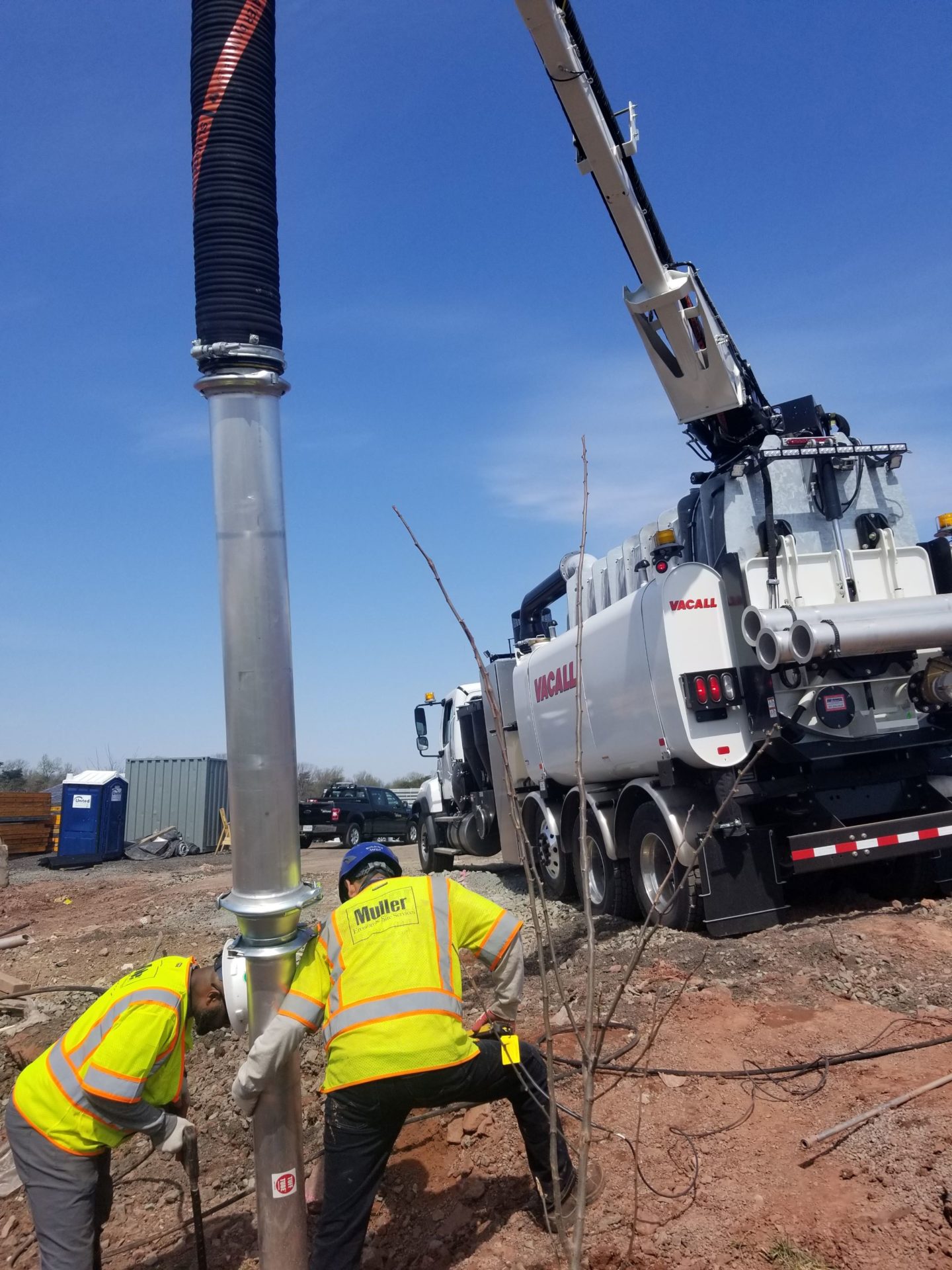
One of the main advantages of suction excavation is its non-invasive nature. Unlike traditional digging that can often lead to utility strikes or ground displacement, vacuum digging reduces disturbance to the surrounding area. This makes it especially beneficial for locating utilities, pothole digging, and situations where accuracy is paramount. With its ability to precisely reveal buried infrastructure, vacuum digging is changing how contractors organize and execute projects.
Additionally, suction excavation has achieved popularity in city areas where space is limited, and the density of underground infrastructure is high. Its effectiveness not only reduces the time spent on-site but also lowers the potential for costly delays caused by unintentional damage to services. As Vacuum Excavation Dublin Ireland for construction maintenance and improvement continues to grow, comprehending and embracing suction digging methods becomes ever essential for contemporary building methods.
Advantages Over Traditional Methods
Vacuum excavation offers numerous advantages over old-fashioned digging methods, primarily due to its gentle nature. Unlike traditional techniques that rely on heavy machinery and hand excavation, vacuum excavation uses high-pressure liquid or gas combined with a robust vacuum system to suction away soil. This method minimizes soil disruption, which is particularly essential when dealing with sensitive underground utilities and infrastructure. By maintaining the structure of existing installations, vacuum excavation reduces the chance of accidental damage, leading to more secure, more efficient projects.
An additional benefit of vacuum excavation is its ability to improve safety on construction sites. The method significantly lowers the chance of accidents related to traditional digging, such as cave-ins and service strikes. With vacuum excavation, operators work with accurate control, which helps in keeping a clear awareness of the subsurface conditions. Moreover, the quick setup and execution of vacuum excavation projects lead to shorter exposure times on job sites, minimizing the risk for workers and the general public.
Cost efficiency is another area where vacuum excavation stands out compared to conventional methods. While the initial machinery and service costs may seem higher, the prevention of utility damage and the associated repairs can result in substantial savings. Additionally, vacuum excavation often leads to faster project completions, which minimizes labor costs and diminishes project downtime. The combination of these factors makes vacuum excavation not only a more secure option but also a cost-effective choice for many construction projects.
Security and Environmental Effect
Vacuum excavation considerably enhances safety on construction sites by reducing the risk of accidents and injuries. This method reduces the chances of damaging subsurface utilities, such as gas and water lines, which can lead to hazardous spillages, explosions, or utility interruptions. The gentle nature of suction excavation enables operators to expose these utilities without using excess force, creating a safer working environment for all staff involved. Additionally, the reduced sound and managed particulate levels characteristic in this technique further contribute to a safer work site.
From an ecological perspective, suction excavation offers numerous advantages compared to conventional digging techniques. By employing a more precise approach, this technology aids protect the surrounding ecosystem, including ground structure and vegetation. This is particularly important in city projects, where room is limited, and the potential for environmental disruption is high. Furthermore, the ability to gather and correctly dispose of excavated materials minimizes the likelihood of ground contamination and speeds up site restoration, thereby benefiting the local ecosystem.
As the construction industry more and more recognizes the importance of eco-friendly practices, vacuum excavation is showing to be a valuable asset. Its ability to limit refuse generation and foster a tidier job site is in line with the goals of eco-conscious sensitive projects. Moreover, adopting suction excavation not only boosts compliance with ecological regulations but also enhances the overall community image of construction activities, encouraging a culture of security and eco-friendliness in the industry.