Starting from Ground to Greatness: The Life-changing Power of Negative Pressure Excavatory Techniques


Within the constantly changing landscape of construction, suction excavation is prominent as a groundbreaking approach that is reshaping the way we approach digging. This cutting-edge method harnesses the power of suction to securely and efficiently expose buried services and prepare sites for various construction tasks. As urban areas continue to develop and systems becomes more intricate, the demand for effective and non-destructive digging methods has reached unprecedented levels. Vacuum excavation not only addresses this need but also delivers a host of advantages that make it an essential tool for contemporary construction projects.
Grasping the operations of vacuum excavation is crucial for appreciating its transformative power. Differing from traditional digging methods that can interfere with the surrounding environment, endanger damaging vital subsurface services, vacuum excavation makes use of pressurized air or water to soften the soil, which is then promptly removed by a robust vacuum system. This process not only reduces disruption but also enhances job site safety. From service setup to potholing and even drainage maintenance, the uses of vacuum excavation are multifaceted and far-reaching. With a commitment on safety, efficiency, and sustainable practices, vacuum excavation is setting the standard for a new standard in construction methods.
Comprehending Vacuum-aided Digging
Suction digging is an evolved method of excavation that employs powerful vacuums to remove soil and waste without the necessity for traditional excavation methods. This non-destructive process involves the use of both suction and pressurized water or air to unsettle the soil, which is then collected in a holding tank. This technique is notably successful for exposing buried utility lines and other critical infrastructure without incurring damage, rendering it an ever-more preferred selection in contemporary construction endeavors.
One of the main pros of vacuum excavation is its capability to function in city environments where room is limited and pre-existing utilities are closely packed. This approach not just enhances safety by lowering the risk of hitting underground utilities but also lessens the need for comprehensive site restoration after excavation. As a result, vacuum excavation expedites project timelines, allowing contractors to wrap up their work more efficiently.
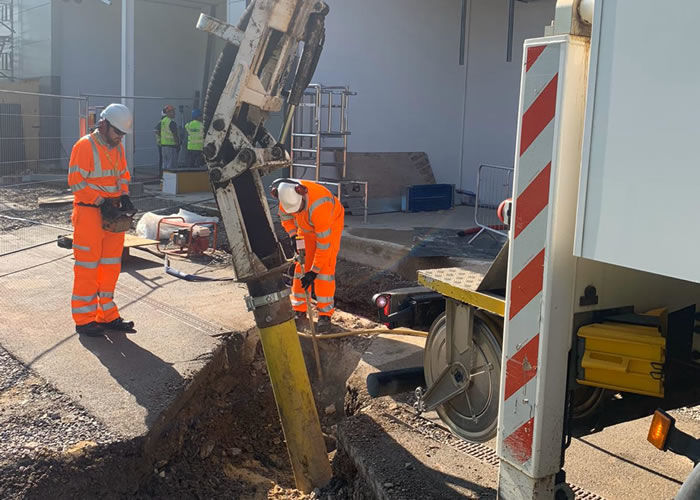
Additionally, vacuum excavation offers significant environmental benefits. By reducing the need for conventional digging equipment and minimizing soil displacement, it lowers the carbon footprint associated with construction operations. This method also avoids erosion and reduces the influence on surrounding ecosystems. As the construction sector moves to evolve, vacuum excavation stands out as a transformative solution crafted to address the issues of modern infrastructure development.
Security and Environmental Benefits
Vacuum excavation significantly boosts safety on construction sites by decreasing the hazards associated with traditional digging techniques. With its non-intrusive methodology, vacuum excavation lowers the likelihood of hitting underground utilities, which can lead to hazardous situations such as gas leaks or power failures. This method enables workers to excavate and expose utilities while keeping the job site safer, as the intense vacuum removes soil lacking the need for bulky machinery that can create additional risks to workers.
In addition to boosting safety, vacuum excavation additionally provides substantial green benefits. Its exact digging abilities ensure that only the required soil is removed, reducing the overall disturbance to the surrounding landscape and lowering soil erosion. This reduced footprint is critical, particularly in urban projects where vegetated zones are few, permitting better preservation of the local ecosystem. By lessening the environmental impact, vacuum excavation supports more sustainable building practices.
Furthermore, vacuum excavation is effective in controlling waste and minimizing ecological harm. The equipment used can effectively collect and transport the excavated materials, making sure proper handling and lowering the possibility of contamination. This method not only maintains the job site cleaner but also complies with environmental standards, making it an appealing option for contractors wanting to adopt eco-friendly practices in their methods.
Applications and Future of Vacuum Excavation
Vacuum excavation has become increasingly essential in various construction and utility projects due to its adaptability and efficiency. Common applications include hole drilling, utility location, and installation of underground utilities such as telecommunications and pipelines. This method is particularly advantageous in urban environments where space is restricted and the risk of damaging existing infrastructure is significant. By using vacuum excavation, businesses can navigate tight spaces and perform tasks with little disruption to the surrounding area.
The future of vacuum excavation technology looks promising as advancements continue to emerge. Innovations such as automated systems and improved suction techniques are set to improve efficiency and safety on job sites. Moreover, the growing focus on sustainability and environmental protection indicates that vacuum excavation will play a key role in sustainable construction practices. As industries increasingly recognize the importance of non-destructive digging, the demand for vacuum excavation services is likely to increase, leading to additional developments in this field.
As professionals in the construction industry adapt to current challenges, vacuum excavation will continue to be a critical component of project planning and execution. Not only does it provide significant safety benefits by minimizing the risk of accidental utility strikes, but it also offers noticeable cost savings through reduced project downtime. With Vacuum Excavation Ireland growing applications and technological advancements, vacuum excavation is poised to transform how construction and utility projects are executed in the future.