Restoring Your Smile: The Journey of Teeth Implants and Restoration


For numerous individuals, a smile is not just merely a reflection of joy but a vital aspect of their self-esteem and confidence. Sadly, missing teeth can take a considerable impact on both appearance and dental health. Luckily, dental implants offer a revolutionary solution, letting individuals to reclaim their facial expressions and enjoy life to the fullest. Understanding the journey of implants and reconstruction is vital for anyone thinking about this option, as it involves not only just the procedure but also the long-term benefits and maintenance involved.
In this thorough guide, we will examine a range of issues surrounding implants, from the step-by-step process of placement and restoration to the advantages they provide over traditional solutions like dental plates and dental bridges. We will cover key factors, such as recovery process, possible risks, and the impact of modern technology in improving results. Whether you are thinking about a replacement of a single tooth or a complete smile restoration, this article will arm you with the essential facts and insights required to decide wisely about your oral health and path to restoring your smile.
Vital Facts and Benefits of Oral Implants
Oral implants have revolutionized the approach missing teeth are recovered, offering a durable and realistic alternative. Unlike traditional dentures or bridges, implants are surgically placed into the jawbone, offering a solid foundation that imitates the base of a natural tooth. This firmness helps to preserve the jawbone and maintain facial structure, resulting in a more fresh facial appearance. With advancements in modern methods, the effectiveness of dental implants has been improving, making them a trustworthy option for many people.
One of the most notable gains of dental implants is their capability to restore not only function but also confidence. Patients who have gone through tooth loss often encounter issues in consuming food, communicating, and grinning. Implants provide a long-term solution that allows individuals to enjoy their preferred foods and engage in social situations without concern for self-consciousness. Moreover, Fixed Dental in Kyle, TX eliminate the unease often linked to removable dentures, letting patients to feel comfortable and assured.
Maintaining dental implants is simple and akin to that of natural teeth, which adds to their long-term effectiveness. With appropriate maintenance, including consistent dental check-ups and proper oral hygiene practices, implants can remain intact for an extended period, if not a lifetime span. This longevity, alongside the aesthetic and utilitarian benefits, makes dental implants an appealing choice for those hoping to reclaim their facial expression and boost their overall quality of life.
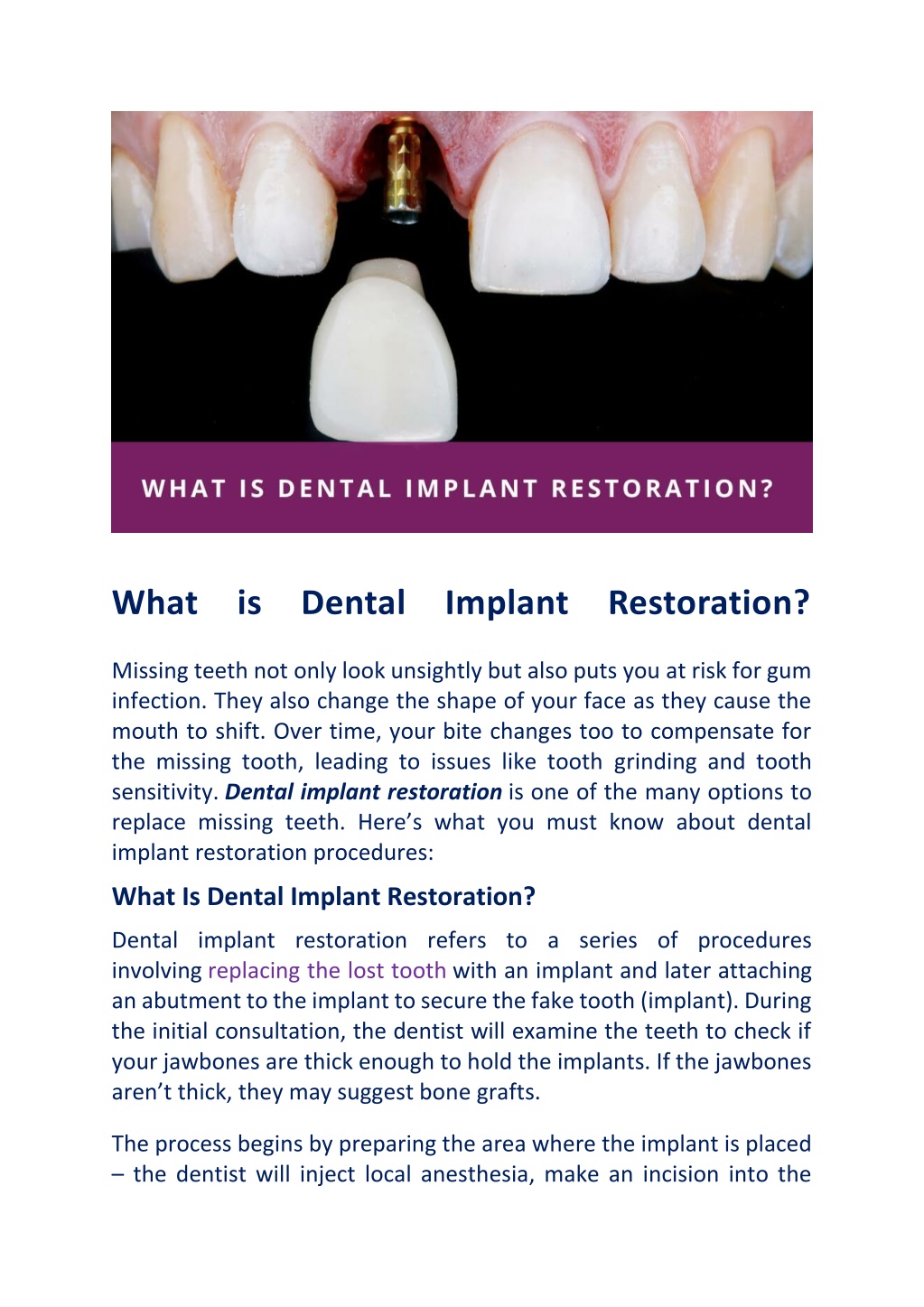
A Implant Procedure: Beginning with Initial Consultation through Healing
The journey towards receiving dental implants begins with a thorough consultation. During this initial visit, your dentist will assess your oral health, discuss your medical history, and take necessary imaging to assess your jawbone structure. This is a critical step, as it helps decide if you are a suitable candidate for implants and informs the development of a personalized treatment plan. Your dentist will also discuss any concerns or questions you may have regarding the procedure.
Once the planning phase is finished and you are deemed eligible for implants, the procedure itself can begin. This typically involves the surgical placement of the implant into the jawbone, which serves as a replacement root. Depending on your specific situation, this might be done in a single visit or over multiple appointments. After the implants are placed, a healing period follows, during which osseointegration occurs. During this phase is when the bone fuses with the implant, providing stability and support for the restoration.
Healing is an essential aspect of the dental implant process. After surgery, patients may experience some swelling, discomfort, or minor bleeding, all of which can be managed with recommended medications and care. It is important to follow your dentist's post-operative instructions for optimal healing. During this time, regular check-ups will be arranged to monitor the recovery progress and ensure the success of the implant. Once healed, the final restoration—such as a crown or bridge—will be attached, completing the process and restoring your smile.
Comparative Insights: Tooth Implants vs. Dental Bridges and Dentures
When considering options for tooth replacement, implants, dental bridges, and dentures each present distinct advantages and disadvantages. Dental implants are surgically placed into the jawbone and serve as a long-lasting solution, replicating the function of natural teeth. This fusion into the bone not only provides stability but also helps maintain the density of the bone and facial structure. In contrast, dental bridges are anchored to neighboring teeth and require alteration of those teeth for support. While dental bridges can effectively fill gaps, they do not offer the same level of longevity or oral health advantages as tooth implants.
Dentures, particularly traditional ones, are removable and may provide an quick solution for missing teeth; however, they often lack the fit and stability that dental implants deliver. Many patients experience pain with false teeth, and they can lead to further loss of bone over time. Implant-supported dentures offer a more stable alternative, but they still do not match the level of permanence and bone fusion of individual implants. This difference often makes implants the top choice for long-term functionality and comfort.
Ultimately, the decision between implants, bridges, and dentures hinges on individual needs, likes, and the particular dental situation. Considerations such as expense, recovery time, and general dental health play significant roles in deciding the best option. Talking with a professional dentist can help patients navigate these factors and arrive at the solution that best restores their smile and self-assurance.