From Tarpaulin into Custom: Exploring Watercraft Shielding Choices


Having a boat is a great investment, but like any property, it needs protection from the environment to preserve its worth and lifespan. One of the top ways to safeguard your vessel is through a high-quality boat cover. Whether you’re a seasoned boater or a beginner to the water, understanding the diverse options available can assist you make an wise choice. In this article, we will examine the various types of vessel covers, their advantages, and what to consider when buying one to guarantee that your asset is kept safe and sound.
From simple tarps that offer limited protection to tailored covers designed to the specific dimensions of your vessel, the choices can be overwhelming. This detailed guide will explore the key aspects of vessel covers, such as different materials, waterproof versus damp-proof features, and how to attach your cover in bad conditions. By the end of this exploration, you will know not only how to select the right cover for your vessel but also how to look after it appropriately, making sure your boat is ready for adventure whenever you are.
Choosing your Proper Boat Cover
Picking your suitable boat cover is essential for protecting your investment and making sure your vessel remains in top condition. When evaluating options, start by determining whether you need a bespoke or standard cover. Custom covers are designed to fit the exact dimensions and specifications of your boat, offering the best level of protection. On the other hand, standard covers are more readily available and can fit a selection of boat sizes, making them a budget-friendly alternative. Nevertheless, remember that a broader fit may not offer the equivalent security against weather elements.
Then, think about the materials used in boat covers, as they play a vital role in long-lasting performance and effectiveness. Typical materials include synthetic fibers and acrylic, which provide excellent UV protection and moisture protection. Think about your boat's environment as well; if you utilize your boat in marine environments, a cover with increased corrosion resistance will be advantageous. For freshwater use, water-resistant materials may work adequately, but ensure they provide breathability to stop mold and mildew growth.
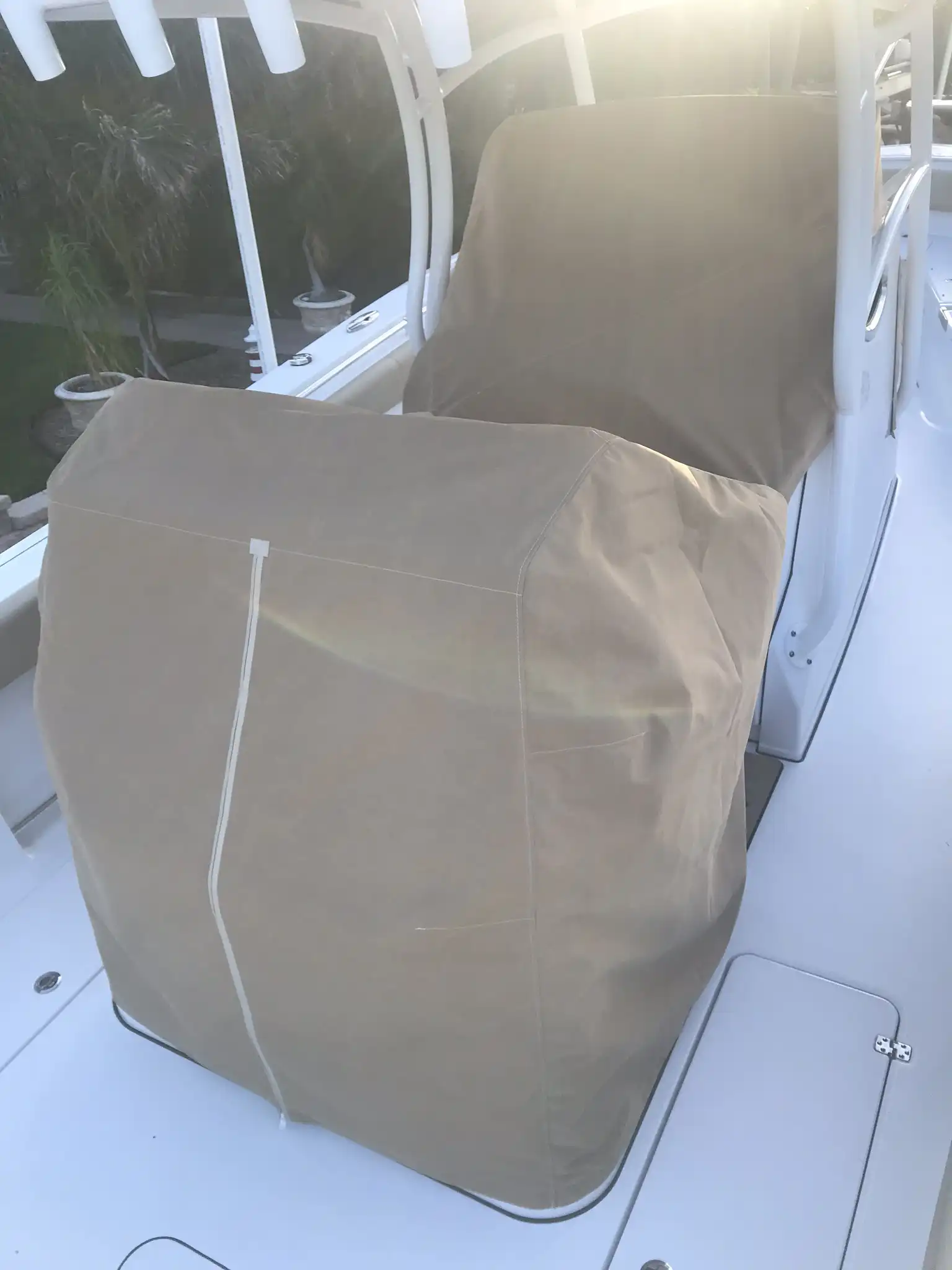
Lastly, take the time to measure your boat precisely for the best cover fit. Accurate measurement is essential to avoid water accumulation and ensure that your cover keeps securely in place, even in strong winds. Don’t forget to measure the length, width, and height of your boat, including any addons such as towers or winches. This attention to detail will help you select a cover that provides comprehensive protection, ultimately increasing the life of your vessel.
Vital Features and Advantages
While choosing a cover for your boat, certain features can significantly enhance the protection of your watercraft. A critical factor is the fabric used. Premium fabrics provide strength, protection to ultraviolet radiation, and water-resistant properties, which keep your boat stays protected against harsh weather conditions. Breathable materials are also essential as they help avoid mold and mildew, which can develop in moist environments. These characteristics not only provide immediate protection but also prolong the life of your boat, rendering your investment more beneficial.
A further important feature is the fitting of the cover. Bespoke options provide personalized protection that conforms to the distinctive contours of your boat, minimizing the likelihood of water pooling and allowing for better airflow. Universal covers are more flexible but may not provide the same level of protection. Choosing the right fit ensures that your boat keeps its condition over time, ultimately sustaining its resale worth. A correct fit also makes easier installation and helps fasten the cover against intense winds.
Lastly, the simplicity of installation and maintenance can make a major improvement in your time spent boating. Look for covers that come with user-friendly mechanisms for fastening and adjusting, enabling quick setup and removal. Additionally, https://notes.medien.rwth-aachen.de/YmOwnPQ5SS-efbV1OFqOiA/ that are easy to clean and maintain will save effort and hassle in the long run. By investing in a cover with these essential features, you not only safeguard your boat but also experience greater peace of mind while dealing with various climate issues.
Maintenance and Keeping Advice
To guarantee the durability of your boat cover, regular maintenance is essential. Begin by inspecting your cover for any indications of damage and tear, such as minor tears or worn seams. Addressing these issues quickly can avert larger damages down the line. Cleaning your boat cover every few months is also necessary; use a gentle detergent and a soft brush to remove dirt, mold, or mildew. After cleaning, rinse thoroughly and let it dry completely before keeping, as moisture can lead to mold formation.
When it comes to putting away your boat cover, it is crucial to do so in a cool, dry place away from strong sunlight. Don't folding the cover tightly, as this can cause creases and stress points that may weaken the fabric over time. Instead, consider hanging it up or rolling it loosely to maintain its shape. If you have space, using a air-permeable storage bag can also shield your cover from dust and insects while allowing air circulation.
Additionally, when not in use, be aware of how to secure your cover. Ensure that it is well fitted and tightened to prevent flapping in the wind, which can lead to damage or wear. Using straps or ropes can help keep the cover in place. Being attentive with these maintenance and storage tips will greatly enhance the lifespan of your boat cover, protecting your investment for years to come.