Exploring the Terrain: Essential Understandings on Surveys


As you begin your venture in any construction or property development initiative, grasping your terrain can become an essential factor. Geomapping surveys provide the important function in charting the natural attributes of the location, offering essential data about elevations, land shapes, and various interactions among various land features. Whether you are about to build a residence, establish an business location, or further engage in infrastructure initiatives, having reliable topographical data at the ready becomes essential for informed decision-making.
In this piece, examines the realm of, illuminating why they are important. From supporting successful construction efforts to assisting with legal compliance and environmental assessments, topographical surveys provide a wealth of data that may significantly influence the results of your project. We will explore the aspects of these surveys, highlighting how advancements in technology enhances their accuracy, the common pitfalls of neglecting these surveys, and the ways they can assist reveal limitations at a site that may impact your project plans. Join us as we explore the key insights that show topographical surveys an necessary part of all construction venture.
Grasping Geomorphological Surveys
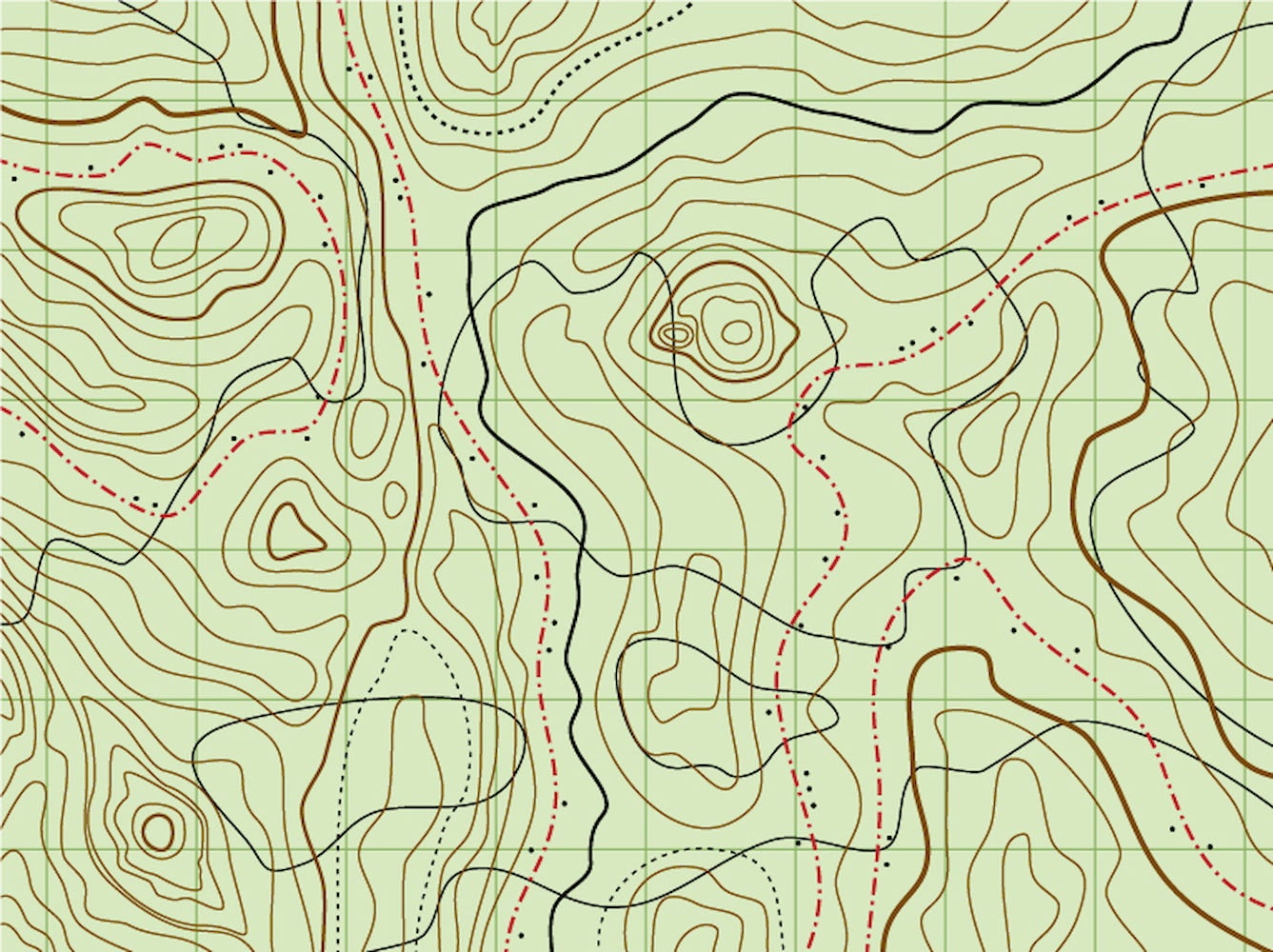
Geomorphological surveying are detailed representations of the features of a designated area, including its contours, heights, and numerous material elements such as trees, edifices, and natural water features. These assessments are essential for understanding the spatial configuration of a parcel, permitting builders, specialists, and urban developers to visualize how a proposed development will fit within the current landscape. The data gathered during a topographic assessment provides essential knowledge that inform design and decision-making, securing that projects align with both the environmental surroundings and legal guidelines.
When is a topographic assessment required? Usually, they are crucial at the beginning of any project that entails property development, whether it’s for residential properties, business structures, or infrastructure initiatives. They help uncover potential challenges related to height changes, drainage concerns, and environmental conditions. By gathering a comprehensive grasp of the land's surface, professionals can make educated choices about the design and arrangement of structures, which is critical for the effectiveness of any building project.
Additionally, modern technological advancements has greatly boosted the precision and effectiveness of geomorphological evaluations. Techniques such as Global Positioning System, UAVs, and light detection and ranging (LiDAR) scanning allow for more exact calculations and faster data gathering compared to traditional methods. This progress not only reduces time and resources but also helps create remarkably comprehensive charts that are essential for organization, evaluation, and implementation. Accurate surveys are necessary for preventing costly mistakes during the design process and confirming that construction aligns with community compliance and ecological factors.
Significance of Land Analyses in Construction
Land assessments perform a crucial part in the preparation of multiple development initiatives. They furnish essential information about the land's natural characteristics, comprising height, contours, and geological features. This data is key for architects, contractors, and developers to comprehend the site’s constraints and challenges, enabling them to design buildings that fit harmoniously within the landscape. Without Check over here , projects can encounter substantial issues, leading to expensive modifications and setbacks.
Furthermore, land surveys help determine ecological elements that may impact the development. For example, they deliver data into water flow systems and water threats, allowing project teams to tackle these challenges proactively. This understanding is critical for ensuring that the site is secure and compliant with regional regulations. By incorporating land insights into the design process, teams can create plans that alleviate possible issues, ultimately boosting the initiative's success.
Additionally, the reliability and dependability of topographical analyses add to significant financial savings throughout the development span. By shaping decision-making from the beginning, these assessments minimize the chance of expensive mistakes and rework. Incorporating state-of-the-art methods, such as satellite positioning and unmanned aerial vehicles, enhances the precision of assessments, contributing to more efficient designs and reduced development time. Overall, the significance of terrain surveys cannot be overemphasized, as they set the groundwork for successful and sustainable initiative results.
Choosing the Right Survey Firm
Choosing the right survey company for your geographic survey is crucial to the outcome of your project. Begin by looking into businesses that focus in terrain surveys and have a demonstrated track record in your particular area of focus. Search for firms that showcase their experience with similar assignments and can provide customer feedback or case studies. This initial screening process will assist you find possible candidates who are knowledgeable about local regulations and location requirements.
Another important aspect is the tools and methods employed by the survey company. Companies that employ the latest technology, such as GPS, drones, and laser measurement, can often provide more accurate and detailed assessments than those that use traditional techniques. Ask potential companies about their technological expertise and how these tools improve their services. This will also inform you about the effectiveness and precision of the assessments they can provide.
Ultimately, communication and customer support play a vital part in your selection process. The ideal company should be quick to your inquiries and able to easily explain the assessment process, deliverables, and deadlines. Building a strong rapport with the land surveying crew can result in improved cooperation and a more efficient project development. Choose firms willing to talk about your assignment in detail and answer any questions you may have, ensuring that your requirements and goals will be satisfied.