Considerate Options: Understanding Burial Choices Available


Memorial arrangements can feel like an daunting task, especially in a time of mourning. Yet, it is a crucial process that allows families to celebrate their deceased while making sure their desires and requests are acknowledged. Understanding the different choices available can enable families to make compassionate choices that reflect their individual circumstances and values. This resource aims to demystify funeral arrangements by providing insights into the key considerations families need to consider when organizing a send-off for a cherished individual.
From deciding between burial and cremation to exploring the impact of cultural traditions, every decision can seem overwhelming. However, by approaching each aspect of this process with clarity and intention, families can craft meaningful and customized services that honor the legacy lived. Whether you're considering pre-planning a memorial service to ease the stress on your family or dealing with the immediate needs following a loss, our comprehensive resource will equip you with the knowledge to make informed decisions during this difficult time. Let us explore the compassionate choices available to help you through the process.
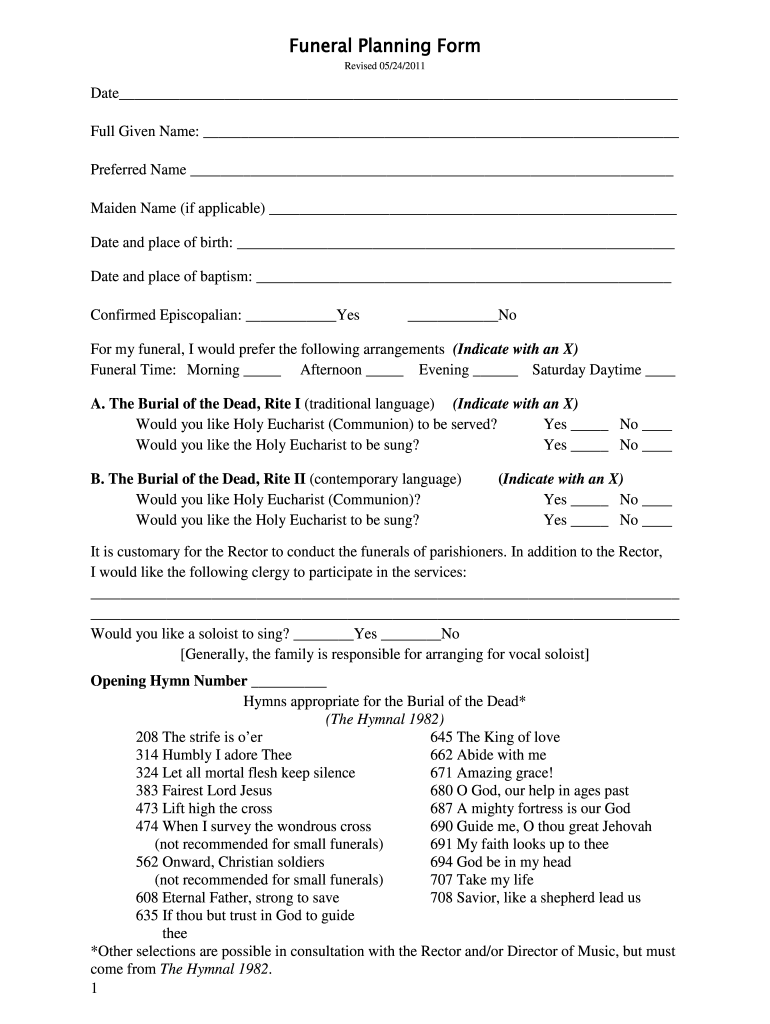
Fundamental Stages in Funeral Arrangements
When faced with planning a funeral, it is crucial to address it in an organized manner. The primary step involves obtain information about the wishes of the deceased, if applicable, and discussing them with family members. This can encompass choices for burial or cremation, as well as any distinct instructions regarding the kind of service or location. Having these discussions early can provide clarity and reduce possible conflicts later on.
Next, it is necessary to compile a checklist of necessary tasks. This checklist should comprise key considerations such as selecting a funeral home, gathering necessary documents, and determining budget constraints. Making a list of items to talk about with the funeral director can help streamline the planning process. Comprehending the costs associated with different options is essential in making wise decisions that respect the deceased while managing family resources thoughtfully.
In conclusion, as you move forward with the planning, keep in mind the individual elements that can make the service special. Consider the life and personality of the individual being honored. Adding personal stories, favorite music, and cherished photographs can create a special and heartfelt farewell. By emphasizing what truly matters, families can create a service that beautifully reflects the life and legacy of their loved one.
Comprehending Various Burial Options
As evaluating funeral options, loved ones have a variety of choices that can be customized to suit their unique requirements and wishes. https://funeralplanningnearme.co.uk/ include a visitation, a ritual, and a graveside service. This arrangement often involves a wooden box and may take place in a funeral home or a place of worship. For those desiring a greater custom experience, memorial services allow for variation in arrangement. These services usually occur without the remains present and can be held at a location of importance, honoring the lost loved one's life and principles.
Cremation is an increasingly frequent alternative to conventional burial. It provides families a choice that may be more sustainable, especially when combined with environmentally conscious funeral arrangements. Remains can be dispersed in a meaningful location, placed in an container, or even used in memorial items. Families should reflect on the societal and faith-based beliefs influencing their decisions, as these can heavily affect preferences around cremation versus interment.
It is essential to talk about these alternatives with family relatives and morticians, who can give valuable support. Knowing the varieties among diverse services and how they can be modified to celebrate a loved one’s life can alleviate the burden of decision-making during a challenging time. By exploring these diverse funeral options, families can design a lasting tribute that aligns with their shared experience and principles.
#### Navigating Expenses and Financial Planning for End-of-Life Services
Understanding the costs tied to funerals is important for effective organization. Funerals can differ greatly in price depending on choices made , from the type of ceremony to interment or incineration options, and even the location . Families should start by investigating local funeral homes and their pricing structures . Many facilities offer transparent pricing, which allows families to see exactly what they are being charged for and providing the opportunity to compare services and expenses. Transparency in costs can help avoid any unexpected expenses .
Creating a financial plan is a useful step in controlling funeral costs. Begin by figuring out how much money you can reasonably spend and prioritize the components that matter most to your family. Think about factors such as location costs, caskets or containers, travel, and any extra services like food services or memorial keepsakes. It can be beneficial to talk about these preferences with other family members to achieve a mutual agreement on what to allocate more money toward and where to cut back.
Finally, it’s essential to acknowledge that there are various support options accessible to assist with funeral costs. Many insurance policies offer coverage for funeral costs, and organizations may provide financial assistance for families dealing with unexpected losses. Additionally, considering pre-planning can help secure prices and reduce future burdens . By being knowledgeable and prepared, families can navigate these costs with greater ease and achieve a dignified goodbye without financial strain .