Charting Triumph: The Importance of Surveying Services in Building


In the vibrant realm of construction, the value of careful planning and precise calculations cannot be emphasized enough. Surveying solutions play a critical role in making sure that every endeavor, from home houses to large-scale infrastructure, is constructed on a strong base—quite. By providing essential information about property boundaries, topography, and existing buildings, qualified land surveyors set the basis for prosperous building endeavors, aiding to avoid financial mistakes and conflicts down the track.
Knowing the multiple elements of surveying can enable property developers, builders, and even homeowners. From knowing what expect during a property survey to acknowledging the multiple kinds of surveys available, each aspect plays a role to knowledgeable decision-making. Whether it is the legal importance of an exact property assessment or the tech developments influencing the industry, knowing the details of land surveying solutions is indispensable for those involved in the construction industry or property transactions.
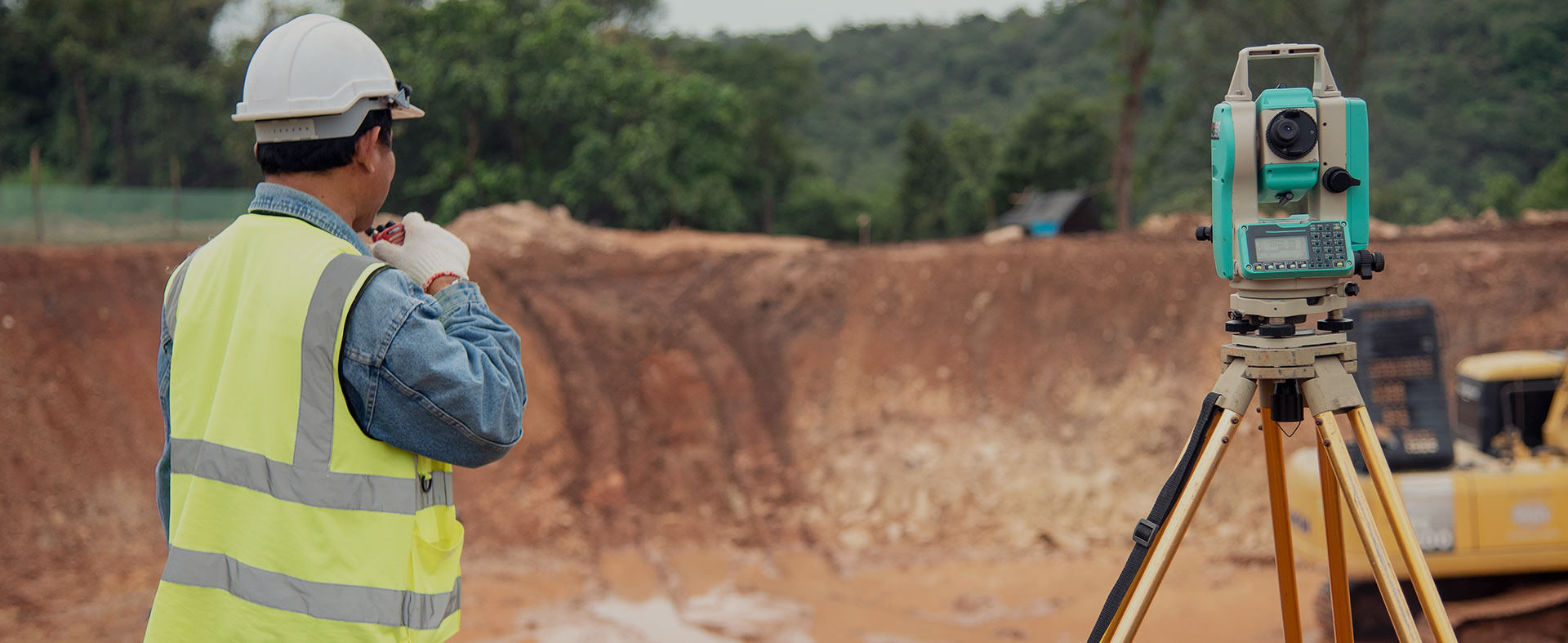
Significance of Professional Land Surveying
Professional surveying is crucial for maintaining the accuracy and dependability of land surveys. When commencing on any development project, having a precise understanding of land limits, terrain, and existing systems is essential. Surveyors utilize state-of-the-art technology and procedures to collect data that provides a clear view of the site, enabling for educated decisions to be made. This accuracy alleviates risks related to development, such as legal issues or unexpected costs, thereby guaranteeing that projects move forward effectively.
Furthermore, expert surveyors play a vital role in defending property rights. Discover more establishes well-defined boundaries, which is essential for preventing encroachments and disputes with adjacent properties. This can save property owners from potential legal conflicts that may arise from misunderstandings about property lines. When property developers rely on these precise measurements, they can securely continue with their projects, understanding that they are adhering to legal and regulatory requirements.
Lastly, the expertise of certified surveyors extends past just assessing land. They also provide important guidance into zoning compliance and land use planning, which are vital for successful construction. By comprehending the regulations and rules that apply to a property, land surveyors help clients manage the complexities of construction projects. This not only helps to ensure adherence to local laws but also supports the overall effectiveness and longevity of construction projects in the area.
Types of Surveys and Their Uses
Surveys play a key role in different stages of construction and land management. One of the most common types is the property boundary survey, which helps define the legal boundaries of a property. This type of survey is important for homeowners and contractors to avoid conflicts over property lines and to grasp the extent of their property rights. By clearly marking land borders, these surveys provide assurance and prevent expensive conflicts with adjacent property owners.
Terrain surveys, on the other hand, focus on the shapes and characteristics of the land. They are used to create comprehensive maps that display the altitudes and valleys of the terrain. This information is vital for architects and civil engineers when planning structures, as it helps them evaluate how a structure will fit into the landscape. Topographic surveys are often required for construction endeavors, as they guide decision-making related to water management, grading, and the overall configuration of the site.
Another significant type of survey is the ALTA survey, which is often needed during commercial real estate transactions. This survey merges boundary and topographic features with extra specifications that ensure compliance with federal standards. It provides complete information about land limits, existing structures, and any rights of way or liens. This level of specificity is critical for builders, as it helps them grasp the potential risks and opportunities associated with a property before making significant investments.
Technological Progress in Land Measurement
The surveying industry has experienced major change with the introduction of new technologies, revolutionizing how land measurements are conducted. https://postheaven.net/birchsilver99/navigating-complexity-an-critical-handbook-to-surveying-services of the key advancements is the use of Global Positioning System (GPS) technology, which permits surveyors to identify exact locations with increased accuracy. This technology enhances the effectiveness of surveying processes, allowing surveyors to swiftly gather data over extensive areas without the traditional constraints of manual measurements. The use of GPS also limits human error, guaranteeing that the results are more accurate.
In addition to GPS, drone technology has emerged as a effective tool for surveying. Drones outfitted with high-resolution cameras and sensors can record comprehensive aerial images and data that were once challenging and labor-intensive to obtain. This technology is particularly beneficial for terrain surveys, land subdivisions, and infrastructure projects, as it allows for a comprehensive view of the terrain and structures from above. Drones can cover extensive areas in a fraction of the time it would take using traditional methods, making surveying projects more efficient and more economical.
Additionally, improvements in software and analytics tools have transformed how surveyors understand and present their findings. Sophisticated software solutions now allow surveyors to create comprehensive 3D models and visualizations from gathered data, giving clients with better insights into the project's topography, boundaries, and potential challenges. This capability enhances cooperation between surveyors, engineers, and architects, leading to more educated decision-making throughout the building process. As technology continues to advance, the surveying industry is set to become even more progressive and integral to successful construction projects.