Blooming Beautiful: Periodic Tactics for Gardening Success


Gardening is more than about planting flowers and veggies; it’s an endless journey of nurturing and attention that evolves with the seasons. For anyone seeking to create a bountiful outdoor space, understanding the time-sensitive strategies for effective garden maintenance is crucial. No matter if you are a experienced gardener or a busy homeowner just trying to keep your plants thriving, having a comprehensive approach to garden upkeep can make all the difference.
This guide will lead you through 30 essential garden maintenance tips for each season, arming you with the knowledge to nurture your plants throughout the year. From revitalizing your beds of blooms in the springtime to safeguarding fragile flora from frost in the winter months, we’ll cover key checklists and strategies to help your garden not only survives but thrives through varying weather. Let's dig in and uncover the ultimate techniques to achieve horticultural success in each season.
Seasonal Care Guidelines
Caring for a landscape is a seasonal commitment that involves particular activities tailored to every season. In spring, the focus should be on revitalizing the garden after winter’s dormancy. Key tasks include cleaning up debris, trimming dead branches, and inspecting plants for any signs of pests or disease. Implementing a comprehensive spring checklist guarantees a fresh start, laying a solid foundation for healthy growth. Additionally, getting flower beds and incorporating organic fertilizers can set the stage for vibrant blooms throughout the development season.
As the summer arrives, the heat can take a toll on plants, making consistent maintenance crucial. Consistent watering and effective irrigation methods become increasingly important to make sure plants do not suffer from heat stress. Mulching can help retain soil moisture and suppress weeds, contributing to a healthier garden. Monitoring for pests and diseases during this time is essential, as the warm weather can create ideal conditions for infestations. Vigilance will help maintain plant health and prevent potential damage.
Autumn indicates the need to prepare for colder months ahead. Important tasks are cleaning up fallen leaves, which can harbor pests and diseases, and taking the time to trim hedges and perennials. This is also a perfect time for soil testing and enhancing with compost or fertilizers to enhance soil health. Getting your garden for winter through these maintenance duties not only protects your plants but additionally lays the foundation for a successful spring.
Essential Tools and Methods
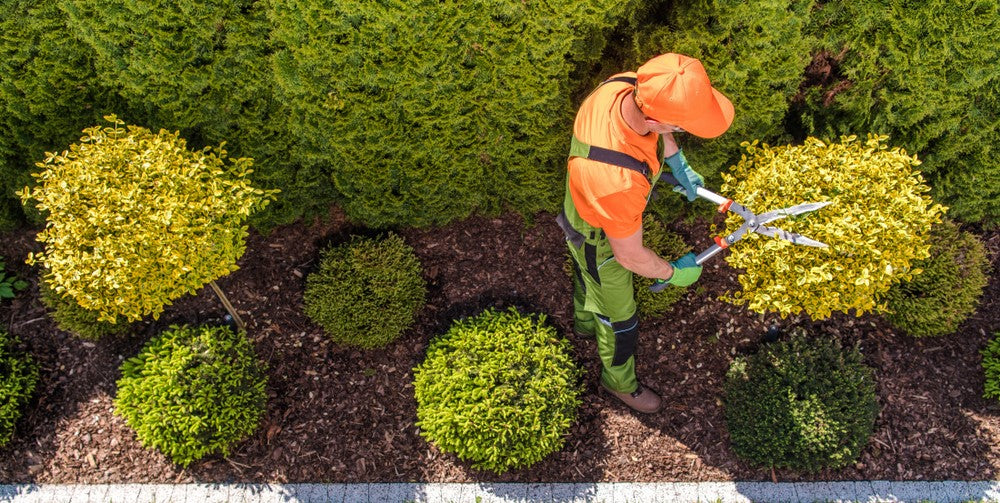
Employing the appropriate instruments can render garden maintenance significantly streamlined and fruitful. A durable pair of cutting shears, a dependable spade, and a good rake are indispensable for any gardener. Pruning shears aid preserve plant health by eliminating dead or overgrown branches, while a spade is crucial for digging and planting. A rake is suitable for gathering leaves and debris, leading to a orderly garden. Acquiring quality tools can reduce time and minimize physical exertion while improving your gardening experience.
In conjunction to tools, learning certain techniques can profoundly impact your garden's success. For instance, understanding how to effectively mulch your garden beds not only augments aesthetics but additionally helps retain soil moisture and suppress weeds. Regularly checking soil health is a further key technique; testing pH levels and nutrient content will enable you to amend the soil appropriately, cultivating a thriving environment for your plants. https://rentry.co/x445wnkx , such as varying crops and adopting companion planting, can support soil health and crop yields.
In conclusion, adopting a steady maintenance schedule is vital for both organized upkeep and optimal plant growth. Creating a monthly checklist ensures you complete all necessary tasks, from weeding and pruning to fertilizing and watering. It facilitates for manageable workloads and prevents tasks from piling up. Whether you are a busy homeowner or a dedicated gardener, maintaining a routine will result in a flourishing garden, in the end boosting your property's value and providing a lovely outdoor space for enjoyment.
Boosting Yard Health and Aesthetics
For a thriving a vibrant garden, consistent maintenance is essential. This includes regular irrigation, removing weeds, and feeding, which are foundational practices for maximum plant health. A well-structured irrigation system can guarantee that plants receive adequate moisture, particularly in hot summer months. Adding organic fertilizers and mulching not only improves the soil but also helps retain moisture, ensuring your garden stays vibrant throughout the growing seasons.
Cutting back is another key strategy in maximizing both well-being and beauty. Regularly pruning overgrown shrubbery and removing dead blooms fosters new growth and preserves the overall shape of plants. This not only improves the appearance of your garden but also diminishes the risk of disease and promotes better airflow among plants. By observing proper pruning techniques, you can keep your garden looking neat while supporting its ecological balance.
In conclusion, consider the arrangement and design of your garden to create an environment that is both aesthetic and low-maintenance. Selecting plants that flourish in your local climate and enhance each other can significantly reduce upkeep. Additionally, adding features like pathways and elevated garden beds can improve ease of access and aesthetics. By synchronizing your garden design with seasonal strategies, you can ensure your outdoor space remains a place of enjoyment and enjoyment year-round.