Beyond the Basics: Creative Movements in Memorial Preparation


Funeral planning can often feel like an daunting task, particularly during a period of grief and loss. However, grasping the various aspects of planning a memorial service can offer clarity and solace to loved ones facing such challenging moments. By taking a forward-thinking approach, families can navigate the intricacies of memorial arrangements with increased ease and assurance. This article aims to explore the cutting-edge trends that are reshaping the funeral planning landscape, ensuring that every detail honors the existence and memory of the deceased.
From personalized services that reflect an individual’s distinct spirit to green burial options that consider the ecosystem, modern funeral planning goes past conventional norms. Knowing what to consider and how to discuss about these matters with family members is essential in creating a meaningful farewell. Whether you are making advance arrangements for comfort or making plans during an emotional time, this article will offer you with important insights and useful resources to help you through the journey.
Detailed Memorial Preparation Guide
When a family member dies, the first step in funeral planning is to grasp what needs to be done immediately. Start by making a checklist of important tasks, such as notifying family and friends, reaching out to a funeral home, and reviewing for any prior funeral plans. It’s crucial to reflect on the deceased's wishes regarding their services, burial, or cremation choices preferences, if known. This initial organization can assist in managing the daunting nature of the process.
Next, clarify the logistics necessary in planning the funeral. This includes deciding between interment and cremation options, deciding on the type of ceremony—whether traditional or a commemoration of life—and selecting a venue. Review options for coffins or urns if applicable, and talk about potential customizations that represent the personality and legacy of the deceased. All these decisions can be made more manageable by utilizing a detailed memorial planning guide that encompasses everything that needs to be taken into account.
Finally, concentrate on the emotional aspect and how to cope while planning a memorial. Loss can cloud decision-making, so it may be beneficial to involve family members or close friends to share the responsibilities. Communicating openly about everyone’s preferences and feelings can foster a supportive environment. Remember to take pauses and allow yourself time to mourn while remembering your dear friend, making sure that the organization process becomes a meaningful tribute rather than an overburdening task.
Key Considerations in Funeral Arrangements
When beginning on the journey of memorial planning, one of the initial essential considerations is understanding the options available. Families must choose whether they prefer a traditional funeral service or a more personalized celebration of life. This decision may be influenced by the deceased's desires, cultural norms, or personal beliefs. It is important to consider various factors such as burial versus cremation, and how different religions view memorial practices, making sure that the chosen plan respects the life and values of the loved one.
Another critical element is budgeting for the funeral. Funeral arrangements costs can vary significantly based on decisions made regarding options, containers, and locations. Families should be informed about what they are paying for and what options are available within their financial limits. Utilizing a funeral planning checklist can help monitor of potential expenses and avoid common mistakes that may lead to financial stress at an already difficult time. Pre-arranging a funeral can also offer peace of mind, ensuring that finances are managed effectively and that families do not incur unforeseen expenses.
Lastly, dialogue among family members is essential in the planning process. Talking about funeral preferences honestly can avoid conflicts and ensure that all feelings are taken into account. It can be advantageous to have conversations about what kind of service would be meaningful to celebrate the deceased's personality. By providing understanding on desires and expectations, families can navigate the sensitive side of funeral arrangements more smoothly, allowing them to concentrate on honoring the life that was lived.
Navigating Emotive and Practical Aspects
Memorial planning can elicit a whirlwind of feelings, especially when dealing with the loss of a loved one. It's essential to recognize the influence of grief on decision-making. Loved ones often face an intense mix of sadness, disarray, and anxiety during this time. Embracing these emotions and allowing room for sorrow can help in arriving at more considerate decisions, commemorating the deceased while caring for oneself and the family. Finding support from friends, family, or professionals can reduce some of the pressure and provide comfort during this difficult time.
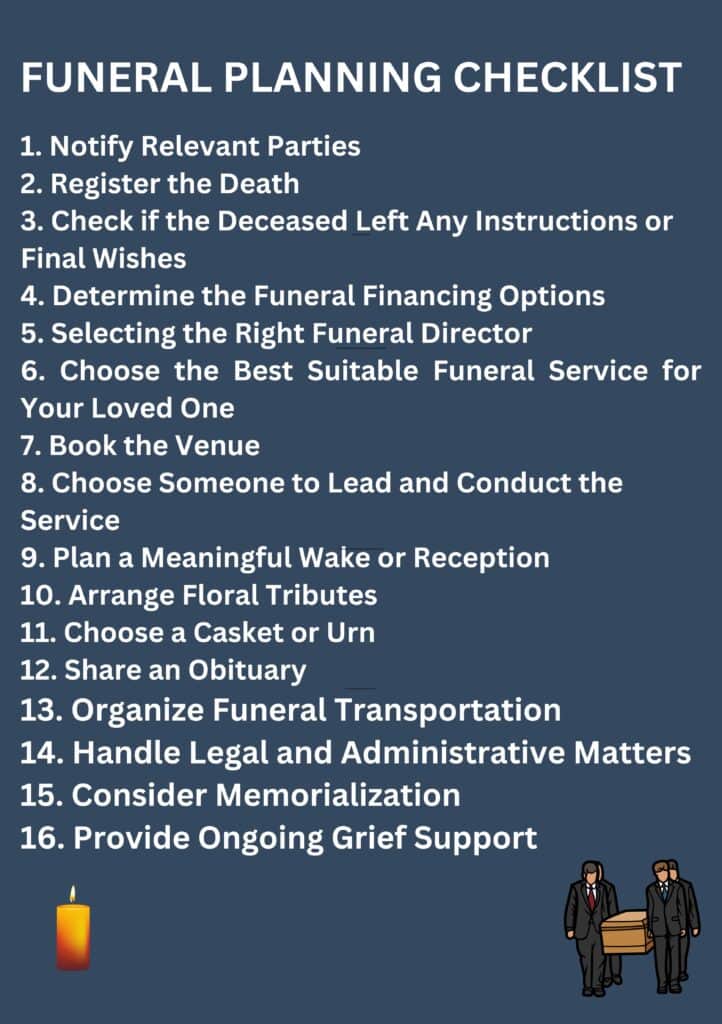
On the functional side, creating a detailed funeral planning list can help streamline the process, ensuring no essential aspects are overlooked amidst emotional turmoil. This checklist can consist of essential items such as securing necessary documents, deciding between interment or cremation, and planning service details. Knowing the costs associated with different options is crucial, as it aids families in making informed decisions within their budget. Engaging with funeral service providers can simplify these activities, as they provide knowledge and guidance tailored to specific family needs.
As families manage both emotional and practical factors of memorial planning, it is advantageous to find ways to customize the ceremony to honor the distinct personality and life of the departed. Thoughtful details, such as including beloved music, meaningful symbols, or individual stories, can create a more heartfelt farewell. Balancing these factors helps meet emotional needs while addressing practical considerations, allowing loved ones to honor their deceased in a way that feels both genuine and healing.