A Plan of the Land: Why Topographic Surveys Matter


In the complex world of building and land management, topographical surveys serve as a essential blueprint that determines the direction of any project. A topographical survey is much more than just a gathering of measurements; it is a comprehensive representation of the land's topography, including shapes, elevations, and installed features. Understanding what Topographical Surveys Dorking Surrey is and why it holds utmost importance can significantly influence the success of your projects, whether you're planning a new venture, an augmentation, or an infrastructure project.
The benefit of land surveys extends beyond mere technicalities; they are necessary in recognizing site restrictions, ensuring legal compliance, and aiding in drainage design. Using cutting-edge technologies like GPS, drones, and LiDAR, these surveys have advanced to provide remarkable accuracy and speed. As we delve into the role of land surveys in various projects, from real estate developments to manufacturing sites, it becomes clear that these surveys are not just discretionary steps; they are indispensable to avoiding standard mistakes and ensuring that your project is built on a firm foundation.
Comprehending Terrain Surveys
Topographical surveys are crucial instruments used in diverse areas such as infrastructure, technology, and property enhancement. They provide detailed and exact illustrations of the land's surface and its attributes, including contours, heights, and natural or artificial structures. By depicting how land changes over a specific area, these surveys help experts visualize the terrain before undertaking any developments. This insight is essential for making well-founded choices regarding formation, strategy, and resource allocation.
One of the main objectives of a landform survey is to assist in the discovery of project-specific traits that can affect a development. This includes the mapping of elevated areas, valleys, water bodies, and other features that could affect water flow, approachability, and overall safety. By grasping Drone Surveys Surrey , builders and planners can better design structures that blend effortlessly with the natural landscape. Topographical Surveys Staines-upon-Thames Surrey aids in predicting potential issues that may arise during development, creating a more efficient process.
Moreover, landform surveys play a crucial role in policy conformity and green assessments. When submitting planning applications, reliable landform data is often a must. It assists in the evaluation of how future developments will impact the nearby environment, ensuring that initiatives follow zoning laws and eco-friendly guidelines. Therefore, having a comprehensive topographical survey is not just helpful; it is often a critical step in realizing favorable results.
Importance of Site Surveys in Development
Topographical surveys are vital in the development industry as they provide critical information about the physical features of a location. This includes variations in height, the design of current buildings, and geographical features. By comprehending the landscape, project planners can take informed decisions about planning, grading, and water management, guaranteeing that the project runs efficiently and without issues. Without this foundational data, projects may face major obstacles, including unexpected issues and escalated overhead.
Including land surveys into the early phase of construction helps to identify possible challenges early in the process. For instance, inclines, water sources, or subsurface services can significantly impact the viability of a project. By mapping out these elements, engineers and architects can adjust their plans to accommodate or reduce these restrictions. This preventive method minimizes risks and boosts overall schedules, as teams can address challenges before they escalate during implementation.
Additionally, land surveys play a key role in guaranteeing compliance with legal and sustainability regulations. Many developments must follow local zoning laws, environmental assessments, and safety standards that require detailed land data. By depending on precise survey information, construction companies can avoid legal complications and avoidable delays. This not just facilitates the regulatory process but also contributes to the construction's sustained success by encouraging responsibility and sensible design.
Modern Methods in Geographic Surveying
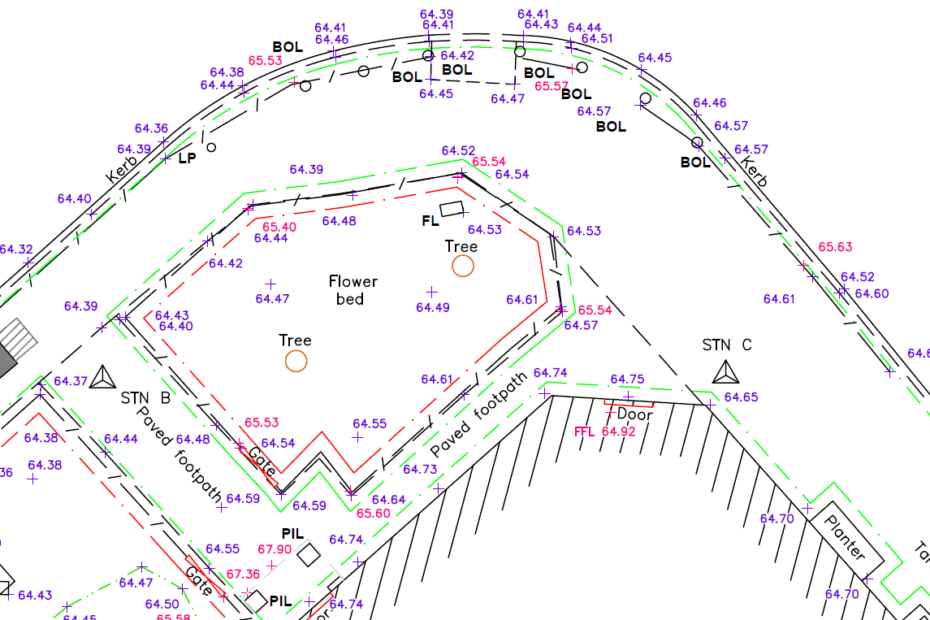
The advancement of technology has revolutionized topographical surveying, making it more efficient, exact, and more streamlined. Methods such as Global Positioning System surveying allow surveyors to acquire precise data on geographical coordinates, which enhances the trustworthiness of the surveys. Unmanned aerial vehicles are increasingly being used to obtain aerial imagery and topographic data, providing a comprehensive view of the terrain that would be laborious to achieve through traditional methods. This combination of modern technology minimizes human error and guarantees that the surveys reflect the most current site conditions.
Laser scanning has also become a crucial tool in topographical surveys, offering detailed three-dimensional mapping of landscapes and structures. This technique enables surveyors to record complex geometries and features with outstanding detail, which is especially useful in complex terrains and dense urban environments. As a result, clients receive graphic displays that aid in structuring and decision-making processes. Coupled with applications that interprets this data, the overall effectiveness of creating topographic maps has significantly improved.
Overall, these modern techniques not only enhance the accuracy and productivity of topographical surveys but also expand their capacities. From aiding environmental impact assessments to facilitating drainage designs and infrastructure developments, the use of sophisticated technology in surveying is essential. By adopting these innovations, professionals can secure favorable project outcomes while lessening risks associated with traditional surveying methods.